IT Sectors in 2025: Growth Areas, Challenges, and Opportunities
- Usman Arshad
- Dec 29, 2025
- 5 min read
AI Innovations in IT 2025
The IT industry is on the brink of a transformative era, driven by advancements in artificial intelligence (AI) and emerging technologies. As we look towards 2025, understanding the growth areas, challenges, and opportunities within the IT sector becomes crucial for businesses and professionals alike. This article delves into the fastest-growing IT sectors, the impact of AI, and the evolving landscape of cybersecurity, workforce challenges, and sustainable IT practices. Readers will gain insights into how these elements intertwine to shape the future of the IT industry, providing a roadmap for navigating the complexities ahead.
What are the fastest-growing IT sectors in 2025?
The IT landscape is rapidly evolving, with several sectors poised for significant growth by 2025. Key drivers of this growth include advancements in AI, cloud computing, edge computing, and cybersecurity. These sectors are not only expanding in terms of market size but also in their influence on various industries, creating new opportunities for innovation and efficiency.
How is Artificial Intelligence transforming the IT landscape?
Artificial Intelligence (AI) is revolutionizing the IT sector by automating processes, enhancing decision-making, and improving customer experiences. AI applications range from machine learning algorithms that analyze vast datasets to natural language processing tools that facilitate human-computer interaction. The integration of AI into IT systems leads to increased efficiency, reduced operational costs, and the ability to derive actionable insights from data. As AI technology continues to advance, its role in shaping the IT landscape will only grow, driving further innovation and competitive advantage.
What role does Cloud and Edge Computing play in IT growth?

Cloud and edge computing are critical components of the IT growth narrative. Cloud computing provides scalable resources and services, enabling businesses to operate more flexibly and efficiently. Edge computing complements this by processing data closer to the source, reducing latency and improving response times. Together, these technologies facilitate the deployment of AI applications, enhance data management, and support the Internet of Things (IoT). As organizations increasingly adopt these technologies, the demand for cloud and edge computing solutions will continue to rise, driving significant growth in the IT sector.
What are the key cybersecurity trends and challenges in 2025?
As the IT landscape evolves, so do the cybersecurity threats that organizations face. In 2025, the cybersecurity landscape will be characterized by increasingly sophisticated attacks, necessitating advanced security measures and strategies. Understanding these trends and challenges is essential for organizations to protect their assets and maintain trust with customers.
How is AI-driven threat detection enhancing cybersecurity?
AI-driven threat detection is transforming cybersecurity by enabling organizations to identify and respond to threats in real-time. Machine learning algorithms analyze patterns in network traffic and user behavior, allowing for the early detection of anomalies that may indicate a security breach. This proactive approach not only enhances the effectiveness of security measures but also reduces the time and resources required to respond to incidents. As cyber threats become more complex, the reliance on AI for threat detection will become increasingly vital.
What are the implications of quantum-resistant encryption?
With the advent of quantum computing, traditional encryption methods face potential vulnerabilities. Quantum-resistant encryption is being developed to safeguard sensitive data against the capabilities of quantum computers, which could break certain conventional encryption algorithms. Organizations must begin to adopt these advanced encryption techniques to ensure the security of their data in a post-quantum world. The transition to quantum-resistant encryption will be a significant challenge, requiring investment in new technologies and training for IT professionals.
How will emerging IT technologies shape industry opportunities in 2025?
Emerging technologies are set to redefine the IT landscape, creating new opportunities for businesses and professionals. Innovations such as quantum computing and blockchain technology are at the forefront of this transformation, offering unique solutions to complex problems.
What impact will Quantum Computing have on IT problem-solving?
Quantum computing holds the potential to solve problems that are currently intractable for classical computers. By leveraging the principles of quantum mechanics, these computers can process vast amounts of data simultaneously, leading to breakthroughs in fields such as cryptography, optimization, and drug discovery. As quantum computing technology matures, its applications will expand, providing organizations with powerful tools to tackle complex challenges and drive innovation.
How is Blockchain technology advancing secure transactions?
Blockchain technology is revolutionizing secure transactions by providing a decentralized and tamper-proof ledger system. This technology enhances transparency and trust in various applications, from financial services to supply chain management. By enabling secure and efficient transactions, blockchain is poised to disrupt traditional business models and create new opportunities for innovation. As organizations explore the potential of blockchain, its adoption will likely accelerate, further shaping the IT landscape.
What challenges does the IT workforce face in 2025 and how can they be addressed?
The IT workforce is facing several challenges as the industry evolves. These challenges include a skills gap, the need for continuous learning, and the integration of new technologies. Addressing these issues is crucial for ensuring that the workforce is equipped to meet the demands of the future.
Which IT skills are most in demand for 2025?
As technology continues to advance, certain skills will be in high demand within the IT sector. Key skills include proficiency in AI and machine learning, cloud computing expertise, and cybersecurity knowledge. Additionally, soft skills such as problem-solving, communication, and adaptability will be essential for IT professionals to thrive in a rapidly changing environment. Organizations must prioritize training and development programs to equip their workforce with these critical skills.
What strategies support reskilling and upskilling initiatives?
To address the skills gap, organizations should implement comprehensive reskilling and upskilling initiatives. These programs can include mentorship opportunities, online training courses, and partnerships with educational institutions. By fostering a culture of continuous learning, organizations can ensure that their workforce remains competitive and capable of adapting to new technologies and challenges. Investing in employee development not only enhances individual capabilities but also contributes to overall organizational success.
How is sustainable IT influencing the future of technology sectors?
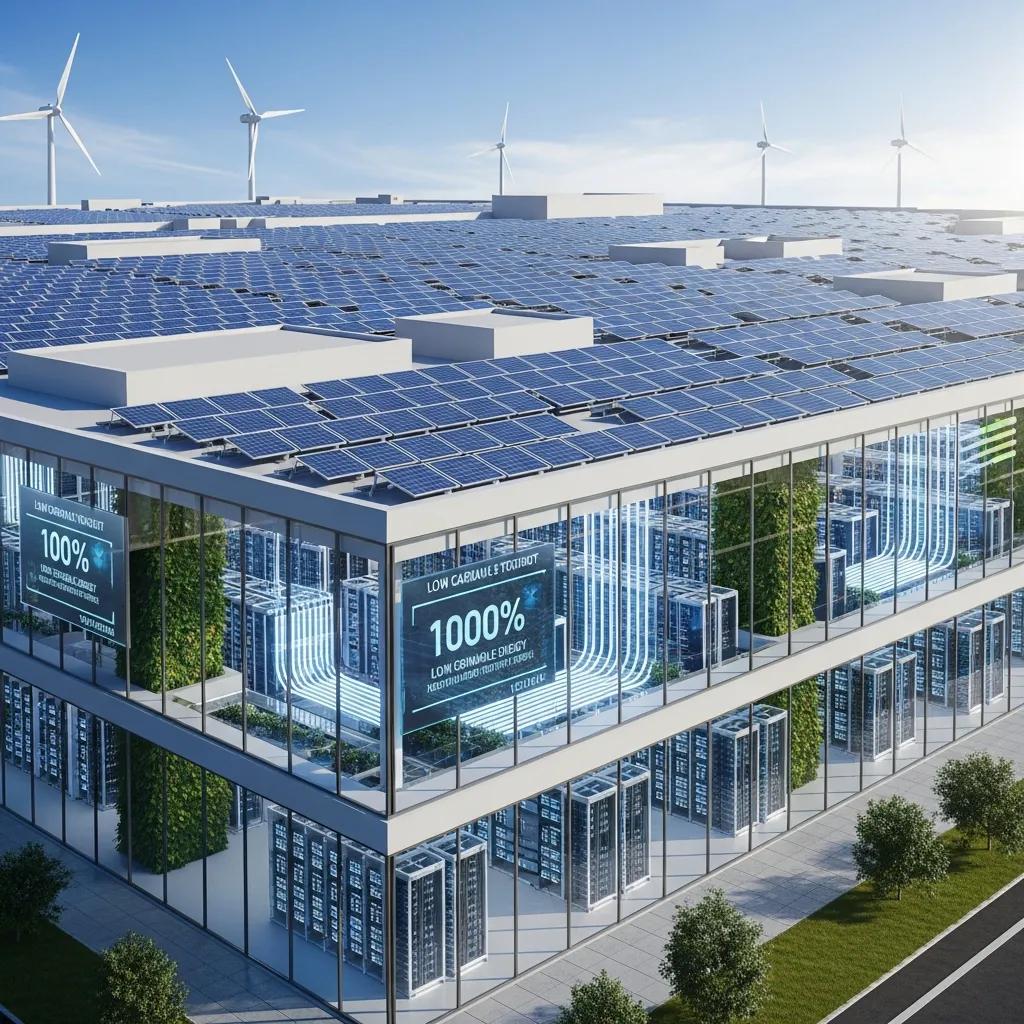
Sustainability is becoming a key consideration in the IT industry, influencing how organizations operate and develop new technologies. As environmental concerns grow, the demand for sustainable IT practices is increasing, prompting organizations to adopt greener technologies and processes.
What are the principles of energy-efficient data centers?
Energy-efficient data centers are designed to minimize energy consumption while maximizing performance. Key principles include optimizing cooling systems, utilizing renewable energy sources, and implementing virtualization technologies to reduce hardware requirements. By adopting these practices, organizations can significantly lower their carbon footprint and operational costs, contributing to a more sustainable IT ecosystem.
How does IT contribute to renewable energy and green tech?
The IT sector plays a vital role in advancing renewable energy and green technologies. Through the development of smart grids, energy management systems, and IoT applications, IT enables more efficient energy use and integration of renewable sources. As organizations increasingly prioritize sustainability, the collaboration between IT and green technologies will become essential for driving innovation and achieving environmental goals.

Comments