Artisan Bread Varieties You Need to Try
- Usman Arshad
- Oct 6, 2025
- 10 min read
Must-Try Artisan Bread Varieties
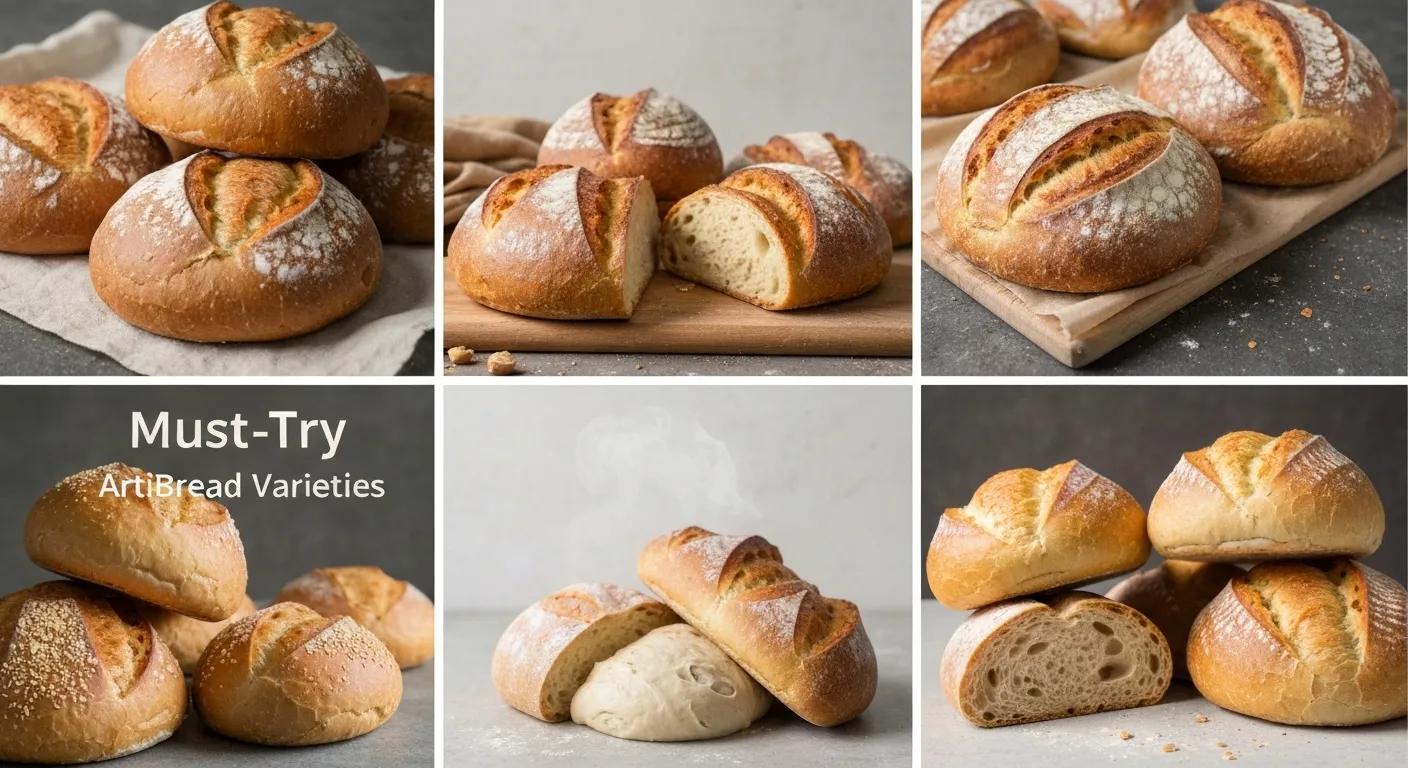
Discover a curated selection of handcrafted loaves that elevate everyday meals with rich flavors, wholesome ingredients, and artisanal craftsmanship. This guide explores the most celebrated bread styles—from tangy sourdough to airy ciabatta and crusty baguettes—highlighting their defining qualities, health benefits, serving suggestions, and how Jalal Sons makes them easy to purchase across Lahore and beyond. You’ll learn what sets artisan bread apart, delve into key sourdough, Italian, and French varieties, understand nutritional advantages, and find practical pairing ideas for every occasion.
What Are the Best Artisan Bread Types You Should Try?
Artisan bread varieties combine simple ingredients and traditional methods to deliver exceptional texture, flavor, and nutritional value. These handcrafted loaves undergo slow fermentation, minimal processing, and careful shaping to maximize aroma and crumb integrity. When you choose artisan bread, you benefit from enhanced digestibility, richer taste profiles, and a true connection to time-honored baking techniques.
Sourdough loaf with open crumb and tangy flavor
Italian ciabatta featuring an airy interior
French baguette noted for crisp crust and light chew
Dense rye bread with hearty character
Wholesome whole wheat loaf rich in fiber
Each loaf brings unique taste and texture, setting the stage for deeper exploration of artisan craftsmanship and variety.
What Defines Artisan Bread and Its Unique Qualities?
Artisan bread refers to loaves made by skilled bakers using traditional techniques, often in small batches without preservatives, resulting in a crusty exterior and tender interior. By relying on natural starters or minimal yeast, bakers achieve complex flavor through extended fermentation. For example, a slow-fermented sourdough develops lactic acid that contributes to a subtle tang and improved nutrient availability. Understanding these hallmarks clarifies why artisan bread stands apart: it emphasizes quality ingredients, manual shaping, and flavor depth born from patience.
This foundation naturally leads to a closer look at specific varieties offered by Jalal Sons.
Which Popular Artisan Bread Varieties Are Available at Jalal Sons?
Jalal Sons presents a diverse artisan lineup crafted daily in their Lahore bakeries. Each loaf highlights premium flours, natural starters, and carefully controlled proofing for consistent quality. The table below outlines key features of signature offerings:
Type of Bread | Leavening Method | Crust & Crumb | Primary Benefit |
Classic Sourdough | Natural starter | Crisp crust; open crumb | Enhanced digestibility |
Ciabatta | Baker’s yeast | Thin crust; porous interior | Versatile for sandwiches |
Baguette | Baker’s yeast & autolyse | Crackling crust; fine crumb | Ideal for fresh-and-dry pairing |
Rye Loaf | Sour starter & yeast | Dense texture; dark crumb | Rich in dietary fiber |
Whole Wheat | Yeast & slow ferment | Firm crust; hearty crumb | High mineral content |
Each artisan loaf serves as a canvas for flavor exploration, bridging classic techniques with modern preferences.
How Do Traditional Baking Methods Enhance Artisan Bread Flavor?
Slow fermentation, natural starter cultures, and hand-shaping form the backbone of artisan quality. By extending fermentation times, enzymes break down complex starches, creating aromatic compounds and reducing phytic acid for better mineral absorption. As loaves proof on floured boards, surface tension develops yielding a blistered crust under high-heat baking. For instance, a 24-hour sourdough fermentation intensifies tang while preserving moisture in the crumb. Mastering these processes ensures each slice delivers layered taste and satisfying mouthfeel.
Embracing such methods sets the stage for exploring distinct sourdough specialties.
What Are the Different Sourdough Bread Varieties and Their Benefits?
Sourdough varieties hinge on starter composition, flour blends, and fermentation regimes. Each adaptation yields flavor, texture, and nutritional differences that cater to diverse palates and health goals. From a classic tang to a hearty multigrain profile, sourdough showcases fermentation’s power to enhance bread’s properties.
What Makes Classic Sourdough Bread Unique?
Classic sourdough combines a perpetually maintained levain with high-protein wheat flour, yielding pronounced acidity and a chewy crumb. Natural yeast and lactobacilli symbiotically ferment the dough, producing organic acids that impart a signature tang and improve shelf stability. Regular consumption supports balanced blood sugar response thanks to a lower glycemic index. This loaf’s bold flavor and extended freshness make it a kitchen staple for toast, sandwiches, and artisan bruschetta.
How Does Multigrain Sourdough Differ from Classic Sourdough?
Multigrain sourdough blends wheat, spelt, rye, and flaxseed, providing a mosaic of textures and nutrients. The added grains introduce whole-grain fiber, healthy fats, and micronutrients such as magnesium and manganese. During long fermentation, phytic acid levels drop, enhancing mineral absorption. As a result, each slice offers a nutty aroma, complex texture, and sustained energy release that supports digestive comfort and balanced nutrition.
What Are the Nutritional and Digestive Benefits of Rye Sourdough?
Rye sourdough harnesses the unique properties of rye flour, which contains pentosans that bind water and create a moist, close-textured crumb. Fermentation reduces rye’s dense nature, unlocking soluble fiber that nurtures gut microbiota. Consuming rye sourdough aids in regulating blood glucose and encourages satiety, making it a heart-healthy choice. Its mineral-rich profile, including iron and B vitamins, further supports overall well-being.
What Are the Key Characteristics and Benefits of Italian Artisan Breads?
Italian artisan breads exemplify rustic simplicity, accentuating hydration levels and dough handling to produce open, gelatinized crumbs. Their minimalistic ingredient lists—flour, water, salt, yeast—allow true grain flavor to shine through, offering versatility in meal integration.
Why Is Ciabatta Bread Popular for Its Texture and Health Benefits?
Ciabatta achieves its airy structure through a high-hydration dough that encourages large gas pockets. This method reduces gluten density, resulting in easier mastication and digestion. The thin, crisp crust complements robust interior tunnels, creating an optimal canvas for olive oil dipping or sandwich assembly. Nutritionally, ciabatta provides complex carbohydrates while maintaining a moderate glycemic impact when paired with protein or healthy fats.
What Are Traditional Italian Breads Offered by Jalal Sons?
Jalal Sons’ Italian selection includes classic focaccia infused with rosemary and sea salt, pane di casa loaves perfect for soups, and semolina-based ciabatta rolls. Each variant showcases regional heritage:
Focaccia with olive oil, herbs, and blistered pockets
Pane di Casa with balanced hydration and golden crust
Semolina Rolls delivering tender interior and mild sweetness
These offerings invite creative serving ideas, from rustic appetizers to elevated toast.
How Can You Use Italian Breads for Sandwiches and Dipping?
Italian loaves adapt seamlessly to diverse preparations. Below is a guide to optimal uses:
Bread Style | Preparation | Benefit |
Ciabatta | Open-face panini with mozzarella and basil | Crunchy exterior enhances textures |
Focaccia | Cubed for herbed oil dipping | Retains moisture for prolonged softness |
Pane di Casa | Classic deli sandwich with cured meats | Sturdy crumb supports fillings |
Which French Artisan Bread Types Should You Try and Why?
French breads epitomize a marriage of technique and simple ingredients, delivering refined crust-to-crumb ratios that harmonize taste and atmosphere at any table. Their enduring popularity stems from unmatched freshness and universal adaptability.
What Makes the Baguette a French Classic Artisan Bread?
A baguette’s allure lies in its slender form, crackling surface, and tender moss-like crumb. Crafted from a lean dough with precise autolyse and steam injection, it develops a thin, shattering crust that accentuates interior chew. Freshly baked, baguettes pair perfectly with butter for breakfast, accompany cheese boards, or serve as the ideal vehicle for bruschetta toppings.
How Does Pain de Campagne Differ from Other French Breads?
Pain de Campagne, or country loaf, blends wheat, rye, and sometimes spelt flour to create a rustic round with a firm crust and substantial crumb. Extended fermentation yields subtle acidity and deep color. This loaf’s hearty texture makes it an excellent canvas for savory spreads, while its robust structure holds up under stews and soups.
What Are the Best Pairings for French Artisan Breads?
Pairing French breads with complementary accompaniments enhances every bite. The table below suggests ideal combinations:
Bread Type | Pairing | Occasion |
Baguette | Soft cow’s-milk cheese | Casual lunch |
Pain de Campagne | Country paté | Dinner appetizer |
Fougasse | Marinated olives | Cocktail reception |
Where Can You Buy Fresh Artisan Bread Online and In Lahore?
Local availability and online convenience ensure you never miss out on freshly baked loaves. Jalal Sons bridges tradition and accessibility by distributing artisan breads through physical bakeries and seamless delivery services.
How Does Jalal Sons Provide Convenient Access to Artisan Breads?
Jalal Sons makes ordering straightforward with tiered delivery slots, pre-order options for specialty loaves, and in-store pick-up at multiple Lahore outlets. Their uniform packaging preserves crust integrity and crumb moisture, guaranteeing a bakery-fresh experience delivered to your door or ready for collection.
What Are the Benefits of Buying Artisan Bread Locally in Lahore?
Purchasing locally supports community artisans, ensures peak freshness, and reduces transit times that can compromise crust and texture. Engaging directly with in-store bakers allows customization requests—such as extra proofing or specific grain blends—and nurtures a deeper appreciation for the craft behind each loaf.
How to Choose the Right Artisan Bread for Your Dietary Needs?
Selecting an appropriate loaf depends on flour type, fermentation process, and added ingredients. Consider these guidelines:
Choose sourdough for gentle digestion and balanced glycemic response.
Opt for multigrain or whole wheat for extra fiber and micronutrients.
Select rye for heart-health support and blood sugar regulation.
Request gluten-free options made from rice and tapioca flours if sensitivities arise.
What Are the Health Benefits of Different Artisan Bread Varieties?
Artisan bread’s minimal processing and natural fermentation unlock health advantages that surpass mass-produced loaves. From fiber-rich rye to probiotic-style sourdough, these varieties address diverse wellness priorities.
How Does Sourdough Improve Digestion and Nutrient Absorption?
Sourdough’s extended fermentation breaks down phytic acid in grains, enhancing mineral bioavailability and reducing potential digestive discomfort. Lactic acid bacteria produce short-chain fatty acids that reinforce gut lining, while the loaf’s lower glycemic index supports balanced energy release and metabolic health.
What Nutritional Advantages Does Rye Bread Offer?
Rye bread delivers substantial soluble fiber known to moderate blood sugar spikes and support cholesterol balance. It provides B vitamins, iron, magnesium, and lignans that collectively contribute to heart health, digestive regularity, and sustained satiety, making it an ideal choice for mindful meals.
Why Choose Whole Wheat and Gluten-Free Artisan Breads?
Whole wheat loaves retain bran and germ, ensuring higher fiber, antioxidants, and essential minerals. Alternatively, artisan gluten-free breads use rice, sorghum, and certified starch blends to maintain structure and taste while accommodating gluten sensitivities. Both options cater to wellness trends and dietary needs without sacrificing flavor or texture.
How Can You Best Use and Pair Artisan Breads for Meals and Occasions?
Artisan breads shine when thoughtfully matched with ingredients and served creatively. Understanding each loaf’s structural and flavor profile unlocks memorable taste experiences.
What Is the Best Artisan Bread for Dipping and Appetizers?
Artisan loaves with open crumb and crisp crust accommodate dips, bruschetta, and spreads. Consider:
Ciabattafor olive oil and balsamic dipping
Focacciafor herbed tapenade
Pain de Campagnefor cheese-topped crostini
Which Artisan Breads Are Ideal for Sandwiches and Lunches?
Sandwich success relies on crumb strength, sliceability, and flavor compatibility. The top picks include:
Whole Wheat Loaffor nutrient-dense club sandwiches
Baguettefor classic ham-and-cheese baguette melts
Multigrain Sourdoughfor avocado toast and fillings that require sturdy support
How to Create a Charcuterie Board with Artisan Breads?
A well-arranged board balances meats, cheeses, fruits, and breads. Use the table below to guide your assembly:
Bread | Accompaniment | Serving Style |
Pain de Campagne | Prosciutto and manchego | Thin crostini slices |
Baguette | Brie and fig jam | Half-moon toasts |
Ciabatta | Salami and olives | Cut into triangles |
Crafting meals around these artisan breads transforms everyday eating into a sensory journey. Embrace the rich heritage and modern convenience that Jalal Sons brings to Lahore’s tables by exploring their full artisan range today.
Frequently Asked Questions
What is the difference between artisan bread and commercial bread?
Artisan bread is typically made using traditional methods, with a focus on quality ingredients and minimal processing. It often involves slow fermentation, which enhances flavor and texture. In contrast, commercial bread is mass-produced, often containing preservatives and additives to extend shelf life. Artisan bread tends to have a crusty exterior and a chewy interior, while commercial bread is usually softer and less flavorful. The craftsmanship and attention to detail in artisan bread result in a more complex taste experience.
Can artisan bread be frozen, and how should it be stored?
Yes, artisan bread can be frozen to preserve its freshness. To do so, wrap the loaf tightly in plastic wrap or aluminum foil, and then place it in a freezer-safe bag. This helps prevent freezer burn. When you're ready to enjoy it, thaw the bread at room temperature or reheat it in the oven for a few minutes to restore its crust. For short-term storage, keep artisan bread in a paper bag at room temperature, which allows it to breathe and maintain its crust.
Are there gluten-free artisan bread options available?
Yes, many bakeries, including Jalal Sons, offer gluten-free artisan bread options. These breads are typically made from alternative flours such as rice, almond, or tapioca flour, and are crafted to maintain a satisfying texture and flavor. Gluten-free artisan breads cater to those with gluten sensitivities or celiac disease, ensuring that everyone can enjoy the benefits of artisan baking. Always check the ingredient list to confirm that the bread meets your dietary needs.
How can I incorporate artisan bread into my meal planning?
Artisan bread can enhance your meal planning by serving as a versatile base for various dishes. Use it for sandwiches, toast, or as a side for soups and salads. Consider pairing different types of artisan bread with specific meals; for example, ciabatta works well for paninis, while baguettes are perfect for bruschetta. You can also create a charcuterie board featuring assorted artisan breads, cheeses, and meats for entertaining. This adds variety and elevates your dining experience.
What are the best ways to enjoy artisan bread fresh from the bakery?
To enjoy artisan bread at its best, consume it shortly after purchase while it's still warm. Pair it with high-quality olive oil for dipping, or use it to make gourmet sandwiches. Toasting slices can enhance their flavor and texture, making them perfect for breakfast or snacks. Additionally, consider serving artisan bread with spreads like hummus or butter, or as a side to soups and salads. The key is to highlight the bread's unique qualities and flavors.
How does the fermentation process affect the flavor of artisan bread?
The fermentation process is crucial in developing the flavor of artisan bread. During fermentation, natural yeast and bacteria break down sugars and starches, producing organic acids and gases that contribute to the bread's taste and texture. Longer fermentation times allow for more complex flavors to develop, resulting in a tangy taste, especially in sourdough varieties. This process also enhances the bread's digestibility and nutritional profile, making artisan bread a healthier choice compared to quicker, mass-produced options.
Conclusion
Artisan bread varieties offer a delightful fusion of rich flavors, nutritional benefits, and traditional craftsmanship that elevate any meal. By choosing handcrafted loaves from Jalal Sons, you not only support local artisans but also enjoy the superior taste and health advantages of these unique breads. Explore our diverse selection to find the perfect loaf for your culinary needs. Experience the difference of artisan baking today and transform your dining experience.

Comments