10 Sustainable Fashion Brands You Need to Know in 2025
- Usman Arshad
- Nov 6, 2025
- 13 min read
10 Sustainable Fashion Brands You Need to Know in 2025: Otto Group’s jjjj to Eco-bFriendly and Ethical Apparel d

Sustainable fashion combines environmental science, ethical labor practices, and circular design to reduce the apparel sector’s footprint while preserving style and function. This guide explains why sustainable fashion matters in 2025, how buyers can evaluate brands, and which ten labels are setting measurable standards for materials, transparency, and circularity. Readers will learn to distinguish verified certifications, evaluate core materials like organic cotton and recycled polyester, and use concrete shopping strategies—such as prioritizing repairable garments and certified supply chains—to make lasting choices. The article also outlines Otto Group’s curation approach and how a commerce-plus-editorial model can bridge responsibility reporting with shoppable inventory. Expect clear comparisons, three EAV (Entity–Attribute–Value) tables, and actionable lists to help you find truly eco-conscious denim, sustainable activewear, and circular footwear options this year.
Why Does Sustainable Fashion Matter More Than Ever in 2025?
Sustainable fashion matters now because apparel production remains a major source of greenhouse gas emissions, water consumption, and textile waste, and because regulatory and consumer pressures are increasing accountability across supply chains. Reducing the sector’s carbon footprint requires material shifts—moving from virgin synthetic fibers to recycled fibers and low-impact cellulosic fibers—while changes in law force clearer producer responsibility for end-of-life products. For consumers, choosing ethical garments reduces demand for disposable trends and supports brands that invest in fair labor and circular systems. The next paragraphs quantify fast fashion’s footprint, explain shifting consumer behaviors, and outline regulatory drivers that will shape brand obligations and product design in 2025.
What Is the Environmental Impact of Fast Fashion?
Fast fashion drives extensive resource use: textile production accounts for a significant share of global emissions and consumes vast volumes of water and chemicals during fiber cultivation and dyeing. The reliance on virgin polyester and other fossil-derived fibers intensifies carbon and microplastic pollution, while short garment lifecycles create mountains of post-consumer textile waste. This environmental profile means buyers who prefer durable, repairable items can reduce embedded emissions and waste over time. Understanding these impacts clarifies why alternatives—organic cotton, Tencel, hemp, and recycled fibers—are central to lower-impact sourcing strategies.
How Is Conscious Consumerism Shaping Fashion Choices?
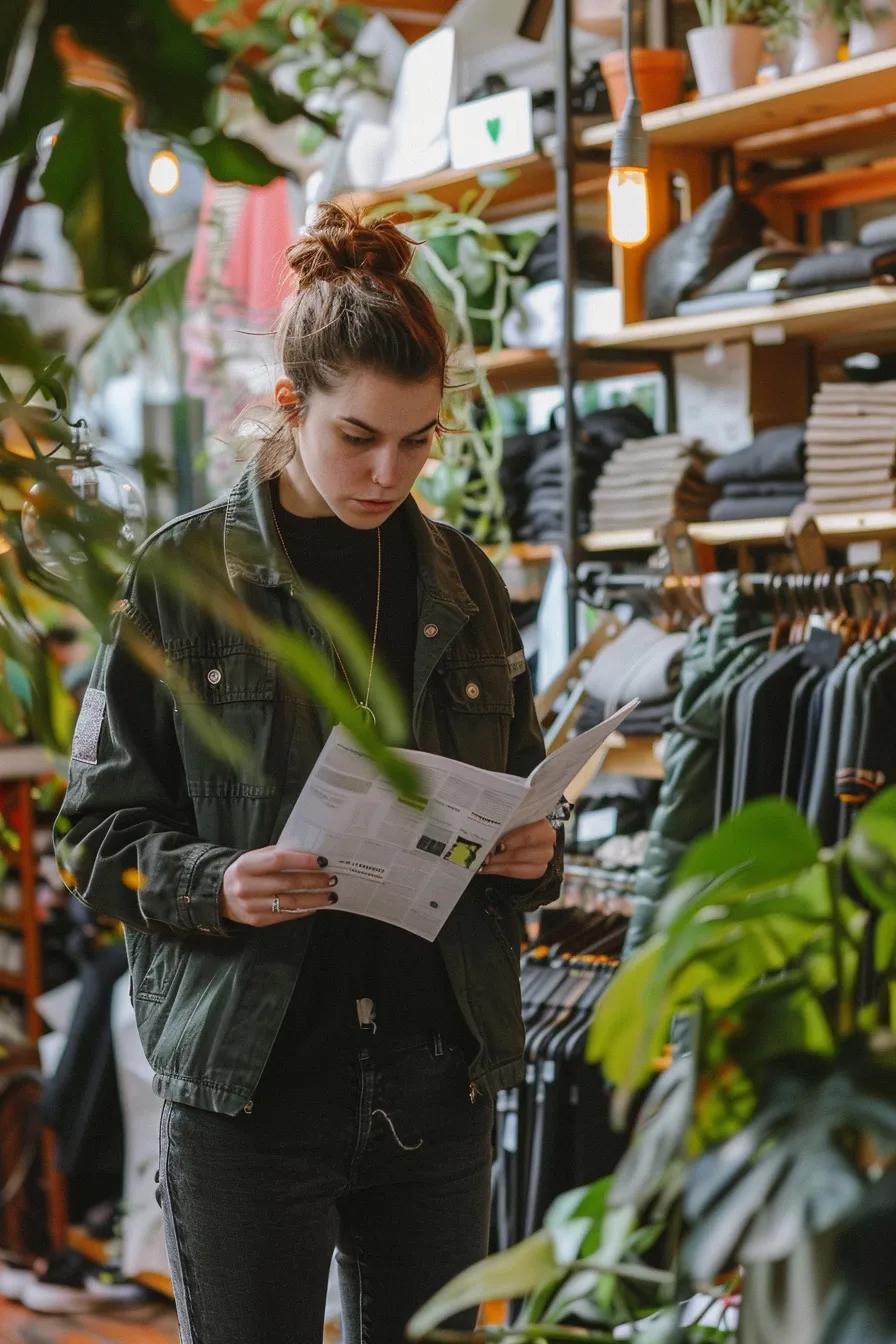
Conscious consumerism is shifting demand from impulse buys toward durable, transparent products that convey environmental and social legitimacy through certifications and supply-chain disclosure. Growth in resale, rental, and repair services demonstrates a preference for extended ownership rather than single-season turnover, and many shoppers accept paying premiums for verified sustainability claims. These behavior changes pressure brands to publish traceability data and invest in circular initiatives to retain customers. As shopper expectations evolve, brands that demonstrate measurable improvements—like product longevity metrics and take-back programs—gain market share and trust.
What Are the Latest Regulatory Changes Affecting Sustainable Fashion?
Regulations in 2025 are increasingly focused on Extended Producer Responsibility (EPR), eco-design, and mandatory reporting that hold producers accountable for the full lifecycle of garments. EPR models require producers to finance collection, sorting, and recycling systems, incentivizing designs that are easier to repair and recycle. New reporting obligations demand greater transparency about materials, emissions, and labor practices, pushing brands toward verified certifications and standardized disclosures. These legal shifts mean consumers will soon see clearer labeling and more consistent options for recycling or returning garments after use.
Extended Producer Responsibility for Sustainable Fashion: Catalyzing Transformation in the Textile SectorThe fashion industry significantly contributes to environmental degradation and social disparities. Extended Producer Responsibility (EPR) is a policy framework that assigns accountability to producers for the environmental consequences of their products across their entire lifecycle. This article investigates the capacity of EPR, through the regulation of textiles, to foster sustainability within the fashion industry. It elaborates on the challenges and prospects inherent in the implementation of EPR for textiles, offering actionable recommendations for policymakers and industry stakeholders. What Goes around Should Come around: Extended Producer Responsibility for Textiles, 2021
How Does Otto Group Define and Support Sustainable Fashion?
Otto Group defines support for sustainable fashion through a combination of transparency expectations, certification recognition, and platform curation that connects editorial guidance with shoppable inventory. The company emphasizes supplier disclosure, prioritizes third-party certifications as verification signals, and aims to make responsible choices easier for shoppers by surfacing curated filters and labels. This explicit focus on criteria helps align brand selection with measurable materials, circular initiatives, and labor standards while enabling customers to compare options across product pages. By linking responsibility content with commerce features, the platform can reduce semantic gaps between corporate reporting and consumer discovery.
What Transparency and Certification Standards Does Otto Follow?
Otto Group looks for recognized certifications and documented supplier practices to validate sustainability claims, emphasizing labels that verify organic sourcing, recycled content, and fair labor. Common certification signals include global standards for organic textiles and recycled materials as well as fair-trade indicators that confirm living-wage commitments or audited supplier conditions. Otto encourages brands on its marketplace to disclose factory audits, material origins, and lifecycle data so shoppers can verify claims before purchase. This approach promotes a baseline of evidence-based labeling rather than marketing-only sustainability claims.
How Does Otto Curate Sustainable Fashion Brands?
Otto’s curation process evaluates materials, certifications, and circular initiatives across potential partners and presents curator signals—such as verified GOTS-style organic sourcing, recycled-fiber content percentages, and repair or take-back offerings—within product and brand pages. Curation combines editorial review with inventory checks so shoppers can both learn a brand’s sustainability story and see product availability. The platform’s filters and curated collections prioritize measurable practices, guiding customers toward items with transparent sourcing and repair-friendly designs. This blended editorial-commerce model narrows the discovery path from claim to purchase while keeping verification front of mind.
What Are the Top 10 Sustainable Fashion Brands to Watch in 2025?
This section profiles ten influential brands that demonstrate materials innovation, circular initiatives, and supply-chain transparency while offering diverse approaches to ethical fashion. Below is a short guide to each brand’s defining sustainability moves and quick bullet features for scanning; a comparative EAV table follows to help you compare materials, certifications, and circular practices across these labels. Use these snapshots to prioritize brands that match your values—whether that’s durable eco-conscious denim, low-carbon footwear, or luxury alternatives to animal-derived materials.
1. Patagonia: How Does Patagonia Lead with Recycled Fabrics and Repair Programs?
Patagonia centers on recycled polyester and nylon, rigorous traceability, and a well-known repair and resale ecosystem that extends product lifespans and reduces textile waste. The brand’s repair programs encourage customers to fix garments rather than discard them, which lowers lifetime environmental impact and promotes circular use. Patagonia also invests in advocacy and transparency, publishing supply-chain information that helps consumers verify material origins and processing methods. These combined efforts make durability, repairability, and material recycling central to Patagonia’s sustainability identity.
2. Reformation: What Makes Reformation’s Use of Deadstock Fabrics Unique?
Reformation reduces waste by incorporating deadstock fabric—leftover textiles from larger production runs—into new garments, which limits the need for fresh fiber production and lowers environmental burdens. Their design approach emphasizes wardrobe staples with longevity, and lifecycle metrics are used to measure the brand’s relative impact per garment. Deadstock sourcing diverts usable textiles from landfill and reduces pressure for virgin material cultivation. The brand’s model demonstrates how design-led reuse can combine style with lower material-intensity manufacturing.
Sourcing Sustainability: Utilizing Deadstock Fabrics and Implementing Zero-Waste Fashion StrategiesIn an era of heightened environmental consciousness, the fashion industry stands at a critical juncture. 'Sourcing Sustainability: Deadstock Fabrics and Zero-Waste Fashion Strategies' investigates two key approaches to mitigating the sector's ecological footprint. Deadstock fabrics, representing surplus materials with inherent value, present a significant opportunity for waste reduction and resource conservation. This paper scrutinizes their economic, environmental, and ethical dimensions, alongside their potential to foster innovation, bolster local economies, and advance circular fashion principles. Furthermore, the research examines zero-waste fashion methodologies, encompassing design techniques, environmental advantages, and the prospective obstacles to widespread integration. Sourcing Sustainability: The Impact of Dead Stock Fabrics and Zero Waste Fashion, 2023
3. Stella McCartney: How Does Stella McCartney Pioneer Luxury Sustainable Fashion?
Stella McCartney integrates high-end design with alternative materials and corporate initiatives that eliminate animal-derived leathers and prioritize regenerative practices. The brand invests in material innovation—exploring vegan leather alternatives and sustainable luxury fabrics—while maintaining visibility on ethical sourcing and product stewardship. For luxury consumers, these innovations prove that premium aesthetics and environmental responsibility can coexist. Stella McCartney’s leadership signals how resource-efficient materials and transparent supply chains can scale within high-fashion segments.
4. Everlane: How Does Everlane Ensure Supply Chain Transparency?
Everlane’s “radical transparency” model highlights factory locations, cost breakdowns, and production practices so consumers can directly assess labor and pricing structures. The brand publishessupplier informationand factory audits, enabling shoppers to verify working conditions and production ethics. By demystifying pricing and production steps, Everlane builds trust in its ethical claims and encourages other brands to disclose comparable data. This level of visibility helps consumers make choices based on verifiable manufacturing practices.
5. People Tree: What Are People Tree’s Fair Trade and Organic Cotton Commitments?
People Tree emphasizes Fair Trade partnerships and certified organic cotton to support farmer livelihoods and reduce chemical inputs during fiber cultivation. The brand’s business model includes long-term relationships with artisan groups and cooperatives, ensuring that value flows back to producers. Certified organic cotton reduces pesticide exposure and typically uses less water than conventional cotton systems, improving environmental and social outcomes. People Tree exemplifies how small-scale sourcing and fair trade relationships can deliver meaningful benefits for communities.
6. Nudie Jeans: How Does Nudie Jeans Promote Circularity and Repair?
Nudie Jeans offers free repairs and take-back initiatives to extend denim lifespans while promoting recycling programs for worn-out garments. Durable construction and repairability are core product attributes, reducing the need to buy replacements and lowering overall material throughput. Nudie’s focus on denim circularity demonstrates how product-service offerings—like repair centers—can shift consumer behavior toward longer ownership. Such circular services also generate data on product longevity and reuse rates.
7. Prana: What Eco-Friendly Materials Does Prana Use?
Prana prioritizes organic cotton, recycled polyester, and responsibly sourced materials for active and casual apparel, with certification signals to verify content and processing standards. The brand balances performance needs with lower-impact fibers to produce functional, longer-lasting pieces suitable for outdoor and everyday wear. Certifications and supplier disclosures help verify material claims and processing methods for environmentally responsible consumers. Prana’s product mix illustrates how performance apparel can adopt recycled and organic materials without sacrificing functionality.
8. Allbirds: How Does Allbirds Innovate with Sustainable Footwear Materials?
Allbirds focuses on low-carbon materials—such as natural fibers and sugarcane-derived polymers—and transparent lifecycle assessments to minimize footwear emissions. Material innovation prioritizes renewable or low-impact inputs and clear reporting on carbon footprints. The brand’s emphasis on simple, repairable designs and recycled packaging supports reduced supply-chain emissions and waste. Performance and comfort combined with low-impact material choices make Allbirds a leader in sustainable footwear.
9. Outerknown: What Ethical Manufacturing Practices Does Outerknown Follow?
Outerknown builds partnerships with ethical factories and emphasizes fair labor practices alongside sustainable materials to ensure responsible production. The brand’s approach includes supplier relationship-building and public commitments to transparency about factory conditions. Ethical manufacturing prioritizes living wages, safe working environments, and audited suppliers to reduce labor-related risks in the supply chain. Outerknown’s model shows how ethical sourcing and materials selection can be integrated into mainstream apparel offerings.
10. Tentree: How Does Tentree Combine Sustainability with Reforestation Efforts?
Tentree links product sales to reforestation commitments, planting measurable numbers of trees tied to purchases and using blended sustainable materials in collections. The brand quantifies planting metrics per product and combines that with low-impact fibers to deliver environmental co-benefits. Reforestation initiatives aim to sequester carbon and support ecosystem restoration while creating a tangible consumer-facing environmental claim. Tentree demonstrates how product-linked nature investments can be paired with sustainable material choices.
Different brands emphasize varied strategies, but common themes are material innovation, third-party verification, and circular business models that reduce overall resource use.
Brand | Key Sustainability Practices | Materials / Certifications / Initiatives |
Patagonia | Repair programs, recycled fabrics, advocacy | Recycled polyester, take-back, repair networks |
Reformation | Deadstock usage, lifecycle metrics | Deadstock fabrics, low-impact production tracking |
Allbirds | Low-carbon materials, lifecycle reporting | Merino, sugarcane EVA, carbon footprint disclosures |
Nudie Jeans | Free repairs, denim take-back | Durable denim, repair services, recycling |
Tentree | Product-linked reforestation, blended materials | Tree-planting commitments, sustainable fibers |
What Are the Key Pillars of Sustainable Fashion: Materials, Ethics, and Circularity?
Sustainable fashion rests on three interdependent pillars: material choice, ethical production, and circular product lifecycles. Material selection determines ecological footprints—organic and recycled fibers generally reduce water, chemical, and carbon impacts—while ethical production ensures fair labor and safe workplaces. Circularity closes the loop through repair programs, resale, and recycling, which extend product life and reduce waste. Together these pillars form a framework for evaluating brands and products, guiding shoppers to prioritize verified materials, certified supply chains, and tangible circular offerings.
Which Eco-Friendly Materials Are Driving Sustainable Apparel in 2025?

Key materials shaping sustainable apparel include organic cotton, recycled polyester (from post-consumer waste), Tencel/lyocell, hemp, and emerging alternatives like seaweed-derived fibers. Each option involves trade-offs—organic cotton reduces pesticide use but may require more land, while recycled polyester lowers virgin fossil-fuel demand but can still shed microplastics. Certifications and standards help verify claims, such as third-party recycled content verification and sustainable forestry or farming credentials. Shoppers should weigh durability, end-of-life options, and certification evidence when choosing materials to minimize environmental impacts.
Material | Environmental Impact / Certification | Typical Use Cases |
Organic cotton | Lower pesticide use; GOTS-style certification recommended | T-shirts, casual wear |
Recycled polyester | Reduces virgin petrochemical demand; GRS verification | Activewear, outerwear linings |
Tencel (lyocell) | Low water use in production; certified sustainable cellulose | Dresses, activewear, linings |
Hemp | Low-input fiber with strong durability | Denim blends, workwear |
Seaweed-derived fibers | Emerging low-impact option; needs lifecycle verification | Experimental fashion, blends |
How Do Ethical Production Practices Ensure Fair Labor and Certifications?
Ethical production depends on independent audits, living-wage commitments, and worker representation that together verify humane working conditions. Certifications and auditing frameworks provide third-party evidence of compliance and make supplier performance transparent to buyers. Brands that publish factory lists, audit outcomes, and corrective action plans enable consumers to verify claims and hold producers accountable. These practices reduce labor risk and align product supply chains with social responsibility standards.
Extended Producer Responsibility for Textiles: Impacts on Finnish FirmsThis thesis investigates Extended Producer Responsibility (EPR) for textiles. It synthesizes existing literature on sustainability challenges within the textile and apparel sector and analyzes the prospective effects of EPR schemes on Finnish textile enterprises. Furthermore, the study assesses the current landscape of textile waste management and recycling in Finland, and delineates potential policy avenues for the implementation of EPR for textiles. The Extended Producer Responsibility for textiles. Potential impacts for Finnish textile firms., 2025
What Circular Fashion Initiatives Are Brands Implementing?
Circular initiatives include repair services, take-back and recycling programs, resale partnerships, and designing garments for disassembly to facilitate textile-to-textile recycling. Repair and resale extend product lifespan and lower per-use environmental impact, while take-back schemes enable materials recovery for new products. Some brands publish circularity metrics—like reuse rates or collected volumes—to quantify progress. These practical programs turn circularity from concept into measurable action, giving consumers tangible options to reduce textile waste.
How Can Consumers Identify and Choose Ethical and Eco-Friendly Clothing Brands?
Shoppers can identify trustworthy brands by checking certifications, verifying material claims, and prioritizing circular services such as repairs and take-back programs. A systematic verification approach includes looking for recognized third-party labels, examining product composition and origin statements, and preferring brands that publish supplier audits and lifecycle data. Practical shopping behavior—buying fewer, better-made items and choosing secondhand—multiplies the impact of selecting certified products. The following checklist table simplifies common certifications and how to verify them when shopping.
What Certifications and Labels Should Shoppers Look For?
Certifications signal verified practices: organic-textile standards verify fiber sourcing, recycled-content standards confirm post-consumer content, and Fair Trade or labor-focused audits indicate social protections. Consumers should look for clear certification names on product pages, check for certification numbers or issuer information, and seek brands that explain the scope of audits. Verification steps include cross-referencing certification bodies and looking for clear evidence of material testing or audit outcomes. These practices reduce the risk of greenwashing and guide purchases toward verified sustainability.
Certification / Label | What It Ensures | How to Verify / Example Brands |
Organic textile standard | Organic fiber sourcing and processing | Check certification issuer and scope listed on product page |
Global Recycled Standard (GRS) | Verified recycled content in products | Look for percentage claims and certifier details |
Fair Trade / Social audit | Worker protections and fair payments | Seek audit summaries or factory disclosure from brand |
How to Understand and Evaluate Eco-Friendly Materials?
When evaluating materials, ask three core questions: What is the material’s origin? Is the content verified by a trusted certification? What end-of-life options exist for the garment? Checking fiber percentages, production disclosures, and available repair or recycling programs helps weigh trade-offs. Durability is also critical—longer-lasting garments often deliver better lifecycle outcomes than low-impact but short-lived alternatives. Prioritizing verified materials with clear disposition pathways yields stronger sustainability benefits.
What Are Practical Tips for Supporting Circular Fashion?
Supporting circular fashion starts with repair and resale choices and grows through intentional purchasing and take-back participation. Practical steps include selecting brands with repair or warranty programs, shopping secondhand for high-quality pieces, and using platform-provided filters to find certified materials. Prioritize garments designed for longevity and avoid fast-fashion-cycles that favor disposability. These habits support a circular economy by keeping value in products longer and feeding materials back into production streams.
Repair items promptly and use brand repair services when available.
Choose secondhand or resale platforms for durable, high-quality pieces.
Prefer brands with take-back or recycling programs to ensure responsible disposal.
What Sustainable Fashion Trends Will Shape 2025 and Beyond?
Emerging trends in 2025 include the mainstreaming of slow-fashion principles, rapid material innovation from biotech and regenerative agriculture, and regulatory-driven transparency that forces standardized reporting. Slow fashion emphasizes longevity and classic design, while technology—AI-enabled supply-chain traceability and material-science advances—reduces waste and improves matching of supply to demand. Policymakers will continue to require clearer producer responsibility, which accelerates adoption of circular business models and verified labeling. Together, these trends realign incentives toward durability, traceability, and measurable impact.
How Is Slow Fashion Influencing Consumer Behavior?
Slow fashion encourages consumers to buy fewer, better-made items and to value repair and timeless design over seasonal trends, reducing total consumption and resource use. Evidence of adoption includes growth in resale markets and consumer preference data showing willingness to pay for durability and verified sourcing. Brands embracing slow-fashion principles often provide repair services and durable warranties, shifting competition toward product longevity rather than price alone. This movement changes purchase calculus and rewards makers who design for extended ownership.
What Role Do Technological Innovations Play in Sustainable Fashion?
Technological innovations—from AI for supply-chain traceability to material science breakthroughs—help brands reduce waste, optimize inventory, and improve transparency at scale. AI can map supplier relationships and flag sustainability risks, while biotech enables new low-impact fibers and dyeing methods that cut water and chemical use. Semantic tools also enhance content discovery, making it easier to connect editorial claims with verified product metadata for shoppers. Together, these technologies enable smarter production and clearer consumer decision-making.
How Are Regulatory Changes Driving Industry Transformation?
Regulatory changes such as EPR and mandatory sustainability reporting compel brands to internalize end-of-life costs and disclose environmental impacts, encouraging design for recyclability and transparent supply chains. Compliance requires concrete actions—improved product labeling, take-back programs, and investment in recycling infrastructure—pushing the market toward circular systems. Consumers will increasingly see standardized information that helps compare brands on verified performance rather than marketing claims, accelerating the transition to a more accountable industry.
While this guide focuses on sustainable fashion, it's also important to appreciate diverse forms of creativity and storytelling. For those interested in unique narratives, the official site for the filmThe Brothers Bloomoffers a different kind of inspiration.
For shoppers and industry stakeholders seeking curated, shoppable sustainability guidance aligned with these trends, Otto Group’s marketplace and responsibility resources act as a connective hub—pairing editorial curation with platform features that surface certified products and circular options while making it easier to discover verified sustainable fashion.

Comments